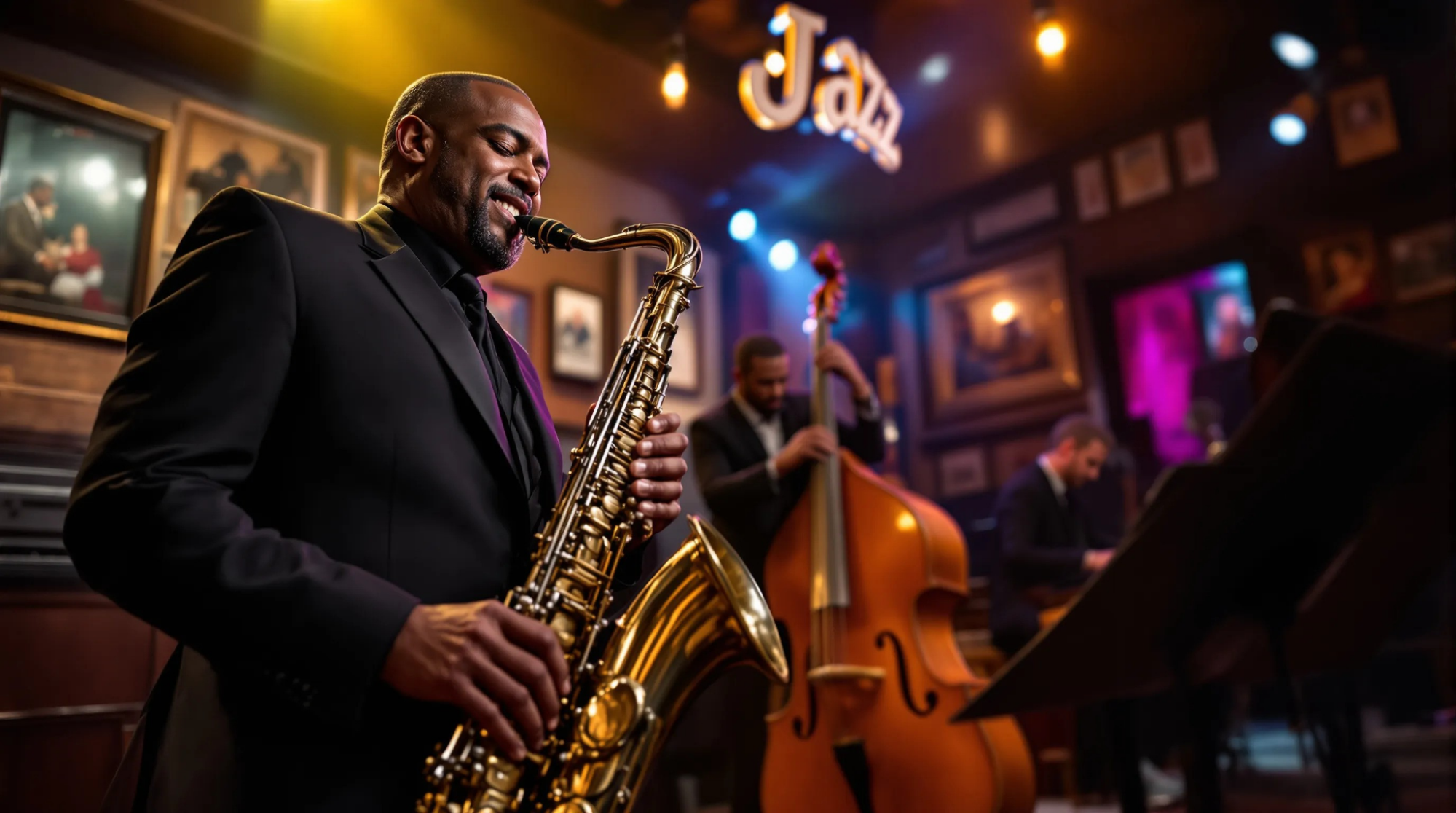
Famous Jazz Music: Discovering the Roots and Legends
Hey there, jazz lovers. If you’ve ever tapped your feet to a swinging beat or found yourself lost in the soul of a smooth saxophone, then you know that jazz isn’t just music: it’s an experience. Together, let’s investigate into the rich tapestry of famous jazz music and uncover its origins, legendary artists, and cultural significance, all while having a little fun along the way. So, grab your favorite drink, and let’s jazz things up.
The Origins of Jazz Music
Jazz music has roots that stretch deep into the heart of American history. Born in the vibrant, cultural melting pot of New Orleans in the late 19th and early 20th centuries, jazz emerged from blues and ragtime. It’s a musical style that reflects a blend of African American spirituals with European musical traditions. As we examine its origins, we see that jazz was transformed by the diverse sounds of the city, resulting in a lively atmosphere overflowing with creativity.
What made New Orleans such a fertile ground for the birth of jazz? Well, it was the hub where musicians from various backgrounds congregated to experiment with new sounds. The fusion of cultures, African, Caribbean, and European, resulted in rhythms and melodies unlike anything heard before. We can thank the unique neighborhoods, bustling clubs, and street parades for giving birth to a sound that would resonate across generations.
In fact, the word “jazz” itself is shrouded in mystery. Some say it stems from the slang used in the early 1900s, while others argue it reflects the energy of this new genre. Wherever it came from, we can all agree that it marked the beginning of a musical revolution that would soon spread beyond the borders of New Orleans.
Key Artists Who Shaped Jazz
Anyone who loves jazz knows that it wouldn’t be what it is today without some incredible artists who shaped its landscape. Let’s spotlight a few legends that we absolutely can’t ignore.
First up is Louis Armstrong, a man whose trumpet playing and distinctive voice made him one of the first true jazz superstars. His ability to improvise and his charismatic self made jazz accessible to many, paving the way for artists to come. We can’t forget about Duke Ellington, a composer, bandleader, and pianist, whose big band sound brought jazz to mainstream audiences like never before.
Then there’s Billie Holiday, whose emotive singing style made even the toughest critics weep. With each note and lyric, she painted vivid emotional landscapes. Finally, let’s give a shoutout to Charlie Parker, who revolutionized jazz with his innovative bebop style. Together, these pioneers not only shaped their era but also laid the groundwork for countless musicians who followed in their footsteps.
If we listen closely, their spirits can still be felt in modern jazz, inspiring new generations to push boundaries and express themselves through this rich art form.
Iconic Jazz Albums to Explore
As we dive deeper into the world of jazz, it’s essential to highlight some iconic albums that have defined the genre. These records are not just collections of songs: they’re experiences that showcase the artistry of jazz.
Let’s start with Miles Davis’s “Kind of Blue,” a masterpiece often celebrated as the quintessential jazz album. It’s not just characterized by its smooth melodies and improvisational genius: it also invites listeners to explore the emotional depth of each track.
Next up is John Coltrane’s “A Love Supreme,” an album that combines spiritual questioning with intricate musical performance. It’s truly a journey worth taking and a testament to the power of jazz as a form of personal expression. We can’t overlook “Time Out” by Dave Brubeck, which introduced the world to new time signatures and stunning compositions, most notably the hit “Take Five.”
Each of these albums contributes something unique to the genre, and they’re a must-listen for any jazz enthusiast. Trust us: they’re more than just tunes, they’re pivotal moments in music history.
The Evolution of Jazz Styles
Jazz is anything but static. It continually evolves, often adapting to the cultural landscape of the times. We’ve seen many styles emerge, each with its own flavor and backstory. From the traditional Dixieland jazz of the early 20th century, characterized by its upbeat tempos and collective improvisation, we transitioned into smooth swing that ruled the dance floors of the 1930s and 1940s.
Then came bebop, which elevated jazz to an art form, complex melodies and quick tempos defined it, with artists like Charlie Parker and Dizzy Gillespie leading the charge. In the 1950s and 1960s, we saw the rise of cool jazz, featuring more subdued tones and sophisticated harmonies. Cool jazz was a reaction against the frenetic intensity of bebop, inviting listeners to savor the subtleties.
Fast forward to the fusion era when jazz collided with rock, funk, and R&B, creating a whole new listening experience. This period opened the door to electronic instruments, expanding jazz’s appeal even further. As we explore these various styles, we uncover the richness of jazz that keeps evolving, ensuring its place in the hearts of music lovers everywhere.
Jazz Music’s Impact on Culture
The influence of jazz music stretches far beyond mere notes and rhythms. It acts as a cultural force, impacting social movements, art, and even our day-to-day lives. During the Harlem Renaissance, jazz became a voice for African American culture, representing creativity, resilience, and social change. Musicians and their music echoed the struggles and triumphs of a community eager for recognition and equality.
Jazz has also permeated the world of fashion, inspiring trends that embraced freedom and individualism. From the sharp suits of the swing era to the colorful, expressive styles of the bebop movement, jazz musicians often set the stage for cultural revolutions in fashion.
Not to forget, today’s music genres often borrow elements from jazz, intertwining its essence into pop, rock, and hip-hop. The sampling of jazz licks and beats has become a staple in contemporary music, showing how timeless and versatile this genre really is. Jazz, in our eyes, is not just a form of entertainment: it’s a rich cultural heritage that continues to evolve and inspire countless aspects of creativity.