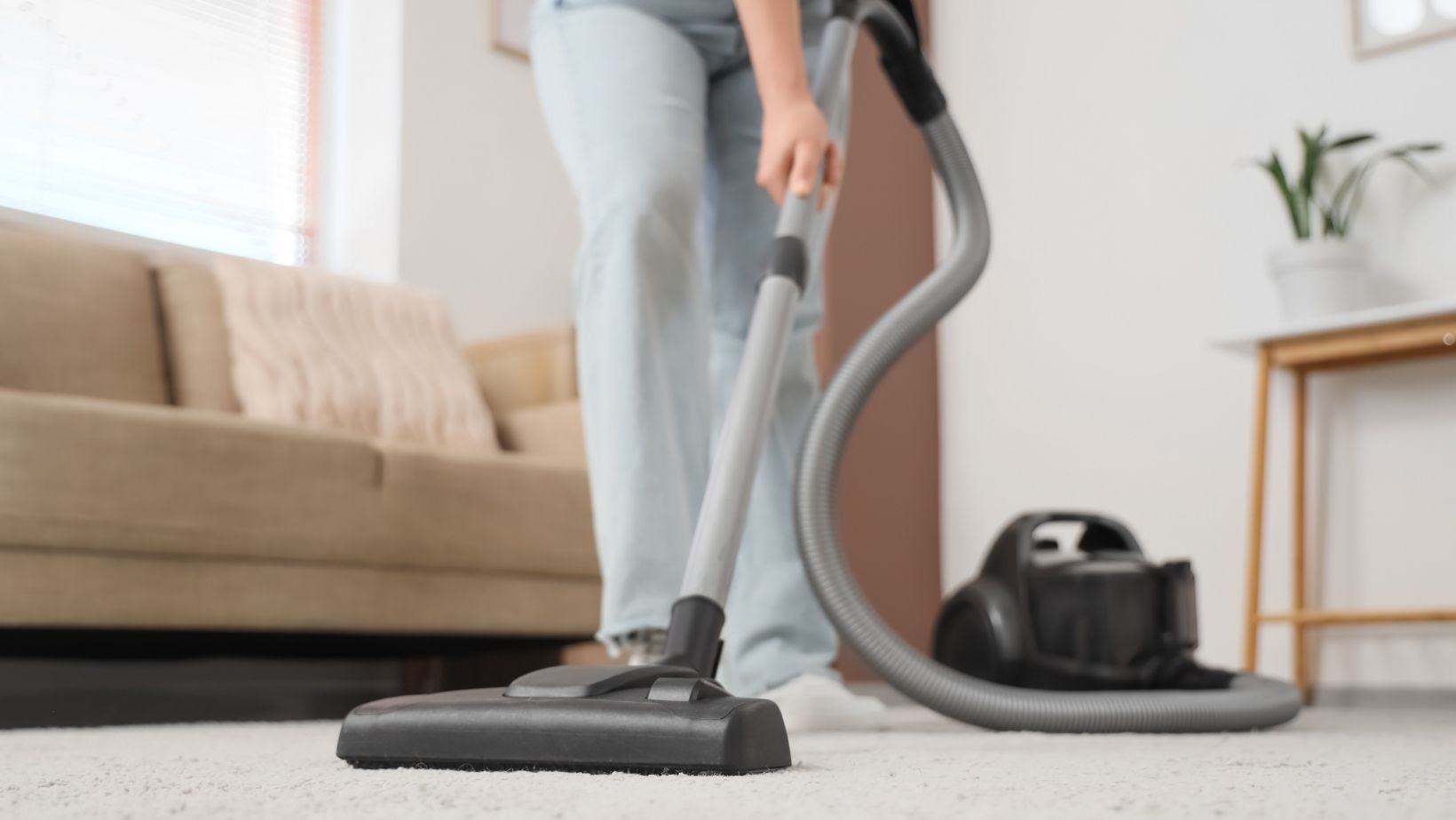

A healthy home is about far more than tidy surfaces. Regular cleaning tackles the dust, allergens, and grime that build up invisibly over time, improving indoor air quality and helping surfaces last longer. A well-planned routine also saves time in the long run by preventing small problems from snowballing into bigger ones. Floor care is one of the most fundamental places to start, and using a vacuum to clear dust and debris from carpets and hard floors is a practical cornerstone of any balanced approach. This article will help you build a realistic routine, pinpoint your home’s true priorities, and steer clear of the common mistakes that undermine even the most well-intentioned efforts.
Why a Consistent Cleaning Routine Matters
A consistent routine prevents dust buildup from hardening into stubborn grime that takes far more effort to shift. The most important principle to grasp is that regularity matters more than intensity. Short, frequent sessions of maintenance cleaning are significantly more effective than the occasional marathon deep clean. Over time, keeping on top of things reduces household odours, keeps clutter manageable, and extends the lifespan of floors, fabrics, and fixtures.
Identify the Areas That Need the Most Attention
Not every room demands the same frequency of attention. Kitchens, bathrooms, entryways, and high-touch surfaces — door handles and light switches, for instance — accumulate grime the fastest and deserve consistent priority. Bedrooms and living areas need regular dusting and floor care, but typically require far less daily intervention.
Priority areas first: Address kitchens, bathrooms, and high-traffic floors before turning attention to lower-use spaces.
A family home with children and pets will naturally call for more frequent floor and upholstery care than a single-person apartment. Evaluate your home based on traffic patterns, surface types, and whether anyone in the household has sensitivities to dust or allergens.
Build a Practical Weekly Cleaning Framework
Distribute tasks by frequency rather than trying to tackle everything at once:
- Daily: Wipe down kitchen surfaces, manage dishes, and return items to their proper place
- Weekly: Clean bathrooms, mop floors, dust surfaces, and launder frequently used linens
- Monthly: Clean appliances, baseboards, windows, and the areas beneath furniture
Assign tasks based on available time and genuine hygiene needs — not some idealized standard that sets you up to fall behind.
Choose the Right Method for Each Surface
Surface compatibility is one of the most overlooked aspects of effective cleaning. Wood, tile, carpet, glass, fabric, and stainless steel each respond differently to tools and cleaning agents, and using the wrong product can damage a finish or simply fail to do the job. Prioritise material care by reading product instructions carefully and always applying the test first principle: try any new cleaner in a hidden area before using it across the full surface.
Make Floor Care More Effective
For both hard floors and carpets, always remove loose debris before wet cleaning. Mopping without first clearing dust and particles spreads dirt around rather than removing it — one of the most common and easily avoided mistakes in floor care. A room-by-room approach works best: start at the far end of each room and work toward the exit, so you’re not re-soiling areas you’ve already cleaned.
Reduce Dust and Allergens Without Overcomplicating the Routine
Dust collects on baseboards, vents, shelves, upholstery, and under furniture — often in places that go unnoticed until the buildup becomes obvious. Regular dusting and laundering of soft furnishings helps manage this over time. While consistent cleaning supports a more comfortable indoor environment, the degree of benefit will vary depending on individual circumstances. Simple habits, done reliably, make a meaningful practical difference without requiring elaborate methods.
Time-Saving Habits That Make Cleaning Sustainable
A sustainable routine is one you can realistically maintain week after week, not just when motivation is high. Cleaning room by room and always working top to bottom — dusting shelves before addressing floors, for example — eliminates rework and reduces wasted effort. Batching similar tasks together, such as cleaning all bathrooms in a single session, also cuts down on the mental load of switching between tools and methods.
Quick wins: Wipe counters immediately after use. Rinse sinks after each use. Return items to their designated place daily to stop clutter from quietly accumulating.
When a Deeper Clean Is Necessary
Signs that routine maintenance is no longer cutting it include lingering odours, visible staining, or significant buildup in neglected corners. Deep cleaning calls for more intensive methods: scrubbing grout, cleaning the inside of appliances, or treating stained upholstery. Stronger tools or products may be appropriate in these situations, but should always be used according to manufacturer guidance and only when standard methods have proven inadequate.
How to Adapt the Routine for Different Households
A pet owner will need to clean floors and soft furnishings more frequently than someone without animals. An allergy-sensitive household may place dust management above all other tasks. A compact apartment requires a different approach than a multi-storey family home. The core framework holds across all of these scenarios — frequency and focus simply adjust to reflect what the household actually needs.
Common Mistakes to Avoid
- Cleaning in the wrong order, such as vacuuming floors before dusting surfaces above them
- Applying the same method to every surface regardless of material
- Letting too much time pass between routine tasks until buildup becomes genuinely difficult to address
- Overusing cleaning products rather than following the recommended quantities
- Neglecting high-touch surfaces such as handles, switches, and remote controls
Final Takeaway for Building a Better Routine
An effective cleaning routine is simple, consistent, and genuinely matched to your home’s needs. Small, regular habits protect surfaces, reduce long-term effort, and make deep cleaning far less daunting when it eventually becomes necessary. If you’re building a routine from scratch, start with one priority area — a bathroom, the kitchen, or your main living space — and expand from there. Gradual, sustainable progress will always outperform an intensive effort that can’t be kept up.