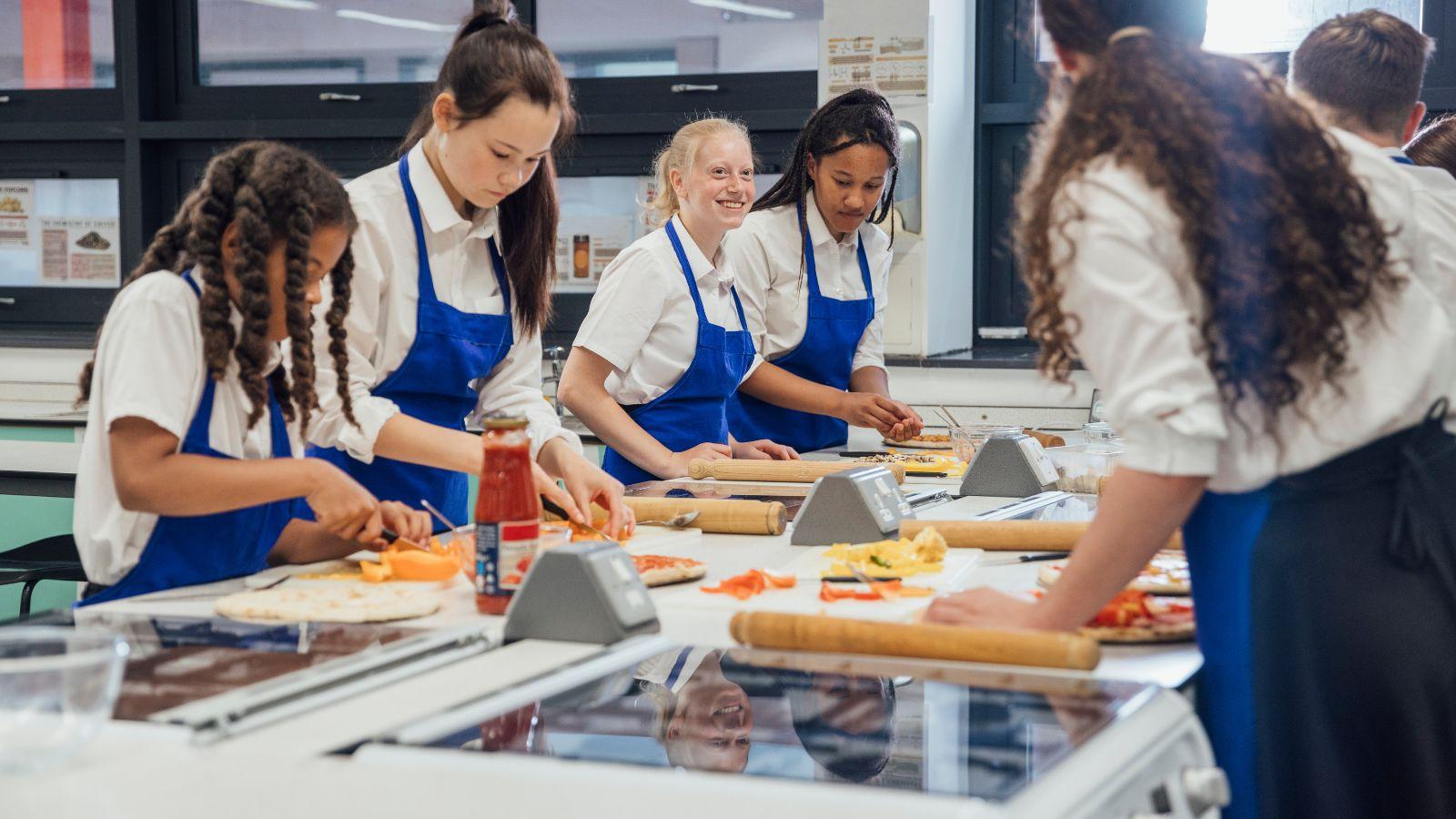

For those eager to develop their culinary skills, choosing the right Cooking Classes can be the gateway to mastering the art of cooking. This article outlines seven distinctive classes that cater to beginners and offer a comprehensive approach to food education. Each class has been selected based on its instructional quality, unique offerings, and adaptability to various learning styles. The aim is to provide a rich learning experience, whether through hands-on practice or theoretical understanding, all within the agency framework of food education.
From community center courses to immersive retreats, these options include diverse methodologies, such as Flavor Profile Analysis and the use of Culinary Learning Management Systems (CLMS), ensuring all learners can find a class that suits their pace and preferences.
Discover Culinary Arts at Local Community Centers
Local community centers often host Cooking Classes designed for beginners, making them accessible to individuals seeking foundational skills in culinary arts. These classes serve residents, offering affordable and convenient opportunities to learn cooking. They qualify for inclusion due to their focus on hands-on learning and community engagement. One specific attribute is their integration of Food Literacy Assessment Tools, which helps learners understand food choices and nutritional impacts.
Participants benefit from a structured curriculum that incorporates basic cooking techniques and ingredient sourcing compliance. A typical workflow involves learning simple recipes and techniques such as chopping, sautéing, and baking. While the classes may lack the high-end equipment found in culinary schools, their affordability and community-driven approach make them a unique alternative. Additionally, learners can expect guidance from Nutritional Curriculum Specialists who ensure the educational content meets dietary needs.
Explore Online Cooking Classes for Flexible Learning
Online Cooking Classes offer flexibility for beginners who prefer remote learning. These virtual programs cater to individuals seeking culinary skills from the comfort of their homes. They are included in this list due to their diverse course offerings and accessibility. A defining feature is the use of Culinary Learning Management Systems (CLMS) that track progress and provide personalized feedback.
These classes often feature interactive sessions, allowing students to engage with instructors and peers through digital platforms. A notable use case involves incorporating Sensory Evaluation Protocols to enhance flavor understanding remotely. While online classes may lack physical interaction, they provide extensive resources and recorded sessions for continuous learning. Additionally, learners can often choose courses based on specific cuisines or dietary preferences, offering a tailored educational experience.
Hands-On Experience at Culinary Schools
Culinary schools offer comprehensive Cooking Classes that provide hands-on experience for beginners. These institutions serve individuals looking to delve deeper into culinary arts with professional-grade facilities. They are chosen for their Culinary Arts Accreditation, ensuring high-quality education standards. A specific attribute includes the integration of Recipe Development Frameworks, allowing students to create and innovate dishes.
Students can develop practical skills through guided sessions with experienced chefs, making it a suitable workflow for those aiming for a career in food services. The classes often involve intense training schedules and may require a higher investment compared to community centers. However, the depth of learning and exposure to professional culinary environments distinguish them from other options. Furthermore, students benefit from the expertise of Food Safety Compliance Officers who emphasize safe cooking practices.
Specialty Cooking Classes for Diverse Cuisines
Specialty Cooking Classes focus on diverse cuisines, offering beginners a chance to explore global flavors. These classes are ideal for individuals passionate about specific culinary traditions. They qualify for this list due to their specialized instruction and cultural immersion. An attribute to note is the focus on Flavor Profile Analysis, enhancing the understanding of taste combinations.
Participants can expect to engage in detailed sessions that cover traditional cooking techniques and ingredient sourcing compliance for each cuisine. A typical workflow may involve preparing signature dishes from regions such as Asia, Europe, or South America. While these classes may require prior basic cooking knowledge, they offer a unique opportunity to broaden culinary horizons. Additionally, learners gain insights into the cultural significance of dishes, enriching their cooking experience.
Farm-to-Table Workshops for Fresh Ingredients
Farm-to-Table Workshops provide beginners with the chance to learn cooking using fresh, sustainable ingredients directly sourced from farms. These workshops serve individuals interested in eco-friendly culinary practices. They are included for their emphasis on sustainable sourcing and ingredient transparency. A distinctive feature is the involvement of Farm-to-School Initiative Coordinators, who guide the sourcing and selection of produce.
Participants can expect to engage in practical sessions that cover meal planning and sustainable cooking techniques. A typical workflow involves visiting local farms, selecting ingredients, and preparing meals under the guidance of experienced chefs. While the workshops may be geographically limited, they offer invaluable insights into sustainable cooking practices. Moreover, learners can develop a deeper appreciation for food quality and environmental impact.
Interactive Cooking Classes with Professional Chefs
Interactive Cooking Classes hosted by professional chefs provide a dynamic and engaging learning experience for beginners. These classes serve individuals eager to learn from culinary experts in a hands-on environment. They qualify for this list due to their personalized instruction and high-level expertise. A notable attribute includes the incorporation of Allergen Management Plans to ensure safe cooking practices for all participants.
Students can expect to participate in collaborative sessions that involve direct interaction with chefs, allowing for immediate feedback and skill refinement. A typical workflow includes demonstration of advanced cooking techniques and sensory evaluation protocols. While these classes may come at a higher cost, the personalized attention and expert guidance offer unmatched educational value. Moreover, learners have the opportunity to explore various culinary styles and techniques under professional supervision.
Cooking Retreats for Immersive Culinary Experiences
Cooking Retreats offer immersive culinary experiences for beginners seeking an intensive education in cooking. These retreats cater to individuals looking to combine leisure with learning in unique settings. They are chosen for their comprehensive approach to culinary education, often involving multi-day programs. A distinguishing attribute is the focus on Dietary Impact Assessment, ensuring meals are nutritionally balanced and beneficial.
Participants engage in a holistic workflow that includes Cooking Classes, ingredient sourcing, and cultural exploration. A typical retreat might involve outdoor cooking sessions and local ingredient exploration, providing a rich educational experience. While retreats might require significant time and financial investment, they offer a unique opportunity to escape everyday routines and focus entirely on culinary development. Additionally, learners benefit from a supportive community environment that fosters shared learning and creativity.
Conclusion
The Cooking Classes identified in this article are selected based on their ability to offer structured education, hands-on learning, and cultural exploration for beginners. They provide a gateway to mastering culinary skills through various methodologies and specialized instruction. For individuals pursuing food education, these classes offer invaluable resources and experiences tailored to diverse interests and learning preferences. Whether through local community engagement or immersive retreats, each class presents a unique opportunity to elevate culinary expertise within the agency framework.